

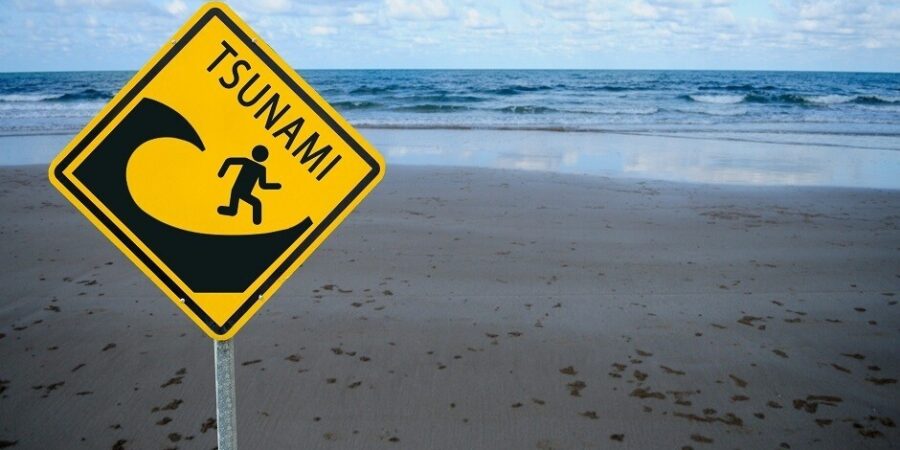
Tsunami Warning
A tsunami is a series of massive ocean waves usually caused by undersea earthquakes, volcanic eruptions, or underwater landslides. These waves can travel across entire oceans and strike coastlines with devastating force, causing widespread destruction and loss of life. Tsunami warnings are issued to alert people about the impending danger and to provide time to evacuate vulnerable areas. Understanding the causes, detection methods, and preparedness measures for tsunamis is crucial to saving lives and minimizing damage.
Causes of Tsunamis
1. Undersea Earthquakes
The most common cause of tsunamis is undersea earthquakes, particularly those occurring at tectonic plate boundaries. When one plate slips under another (a process called subduction), it displaces large volumes of water, triggering a series of waves. For example, the 2004 Indian Ocean tsunami was caused by a massive earthquake off the coast of Sumatra, Indonesia.
2. Volcanic Eruptions
Explosive volcanic eruptions can also generate tsunamis. When a volcano erupts, it can displace water by ejecting large volumes of rock, ash, and magma into the ocean or by causing the collapse of the volcano’s structure. An example is the 1883 eruption of Krakatoa, which triggered massive tsunamis in the Sunda Strait.
3. Landslides
Underwater or coastal landslides can displace significant amounts of water, generating tsunamis. These landslides are often triggered by earthquakes or volcanic activity. In 1958, a landslide in Lituya Bay, Alaska, caused by an earthquake, generated a tsunami with a record-breaking wave height of over 500 meters.
4. Meteorological Phenomena
Although rare, tsunamis can also be caused by meteorological events such as cyclones or storms. These events, called meteotsunamis, are generated by rapid changes in atmospheric pressure over the ocean, which can displace water and create waves.
5. Asteroid Impacts
A potential but extremely rare cause of tsunamis is an asteroid or comet impact in the ocean. Such an event could generate waves of catastrophic proportions, depending on the size and speed of the impact.
Tsunami Warning Systems
Effective tsunami warning systems are vital for detecting tsunamis and alerting populations at risk. These systems use advanced technology to monitor seismic activity, measure ocean changes, and disseminate warnings. Key components of a tsunami warning system include:
1. Seismographs
Seismographs detect and measure earthquakes. By analyzing the location, depth, and magnitude of an earthquake, scientists can assess whether it has the potential to generate a tsunami.
2. Tsunameters
Tsunameters are underwater pressure sensors deployed on the ocean floor. They measure changes in water pressure caused by the passage of tsunami waves. These sensors transmit data to surface buoys, which relay the information to monitoring centers via satellite.
3. Coastal Tide Gauges
Tide gauges measure sea level changes along coastlines. They help confirm the presence of a tsunami and monitor its progress as it approaches land.
4. Satellite Monitoring
Satellites equipped with radar altimeters can detect and track tsunamis as they travel across the ocean. This data is used to refine models and improve predictions of tsunami behavior.
5. Communication Networks
Rapid communication is essential for issuing timely warnings. Authorities use various channels, including radio, television, mobile alerts, sirens, and social media, to disseminate information to the public.
Preparedness and Response
1. Community Education
Public awareness campaigns are crucial for educating communities about tsunamis. People living in coastal areas should understand the natural signs of an impending tsunami, such as a sudden retreat of the sea or unusual roaring sounds.
2. Evacuation Plans
Clear and well-practiced evacuation plans are essential. Coastal communities should have designated safe zones located at higher elevations and routes clearly marked for evacuation.
3. Emergency Kits
Residents in tsunami-prone areas should keep emergency kits ready, containing essentials like water, food, first aid supplies, flashlights, and important documents.
4. Drills and Exercises
Regular tsunami drills help communities prepare for emergencies. These exercises simulate evacuation scenarios, ensuring that people know what to do and where to go in the event of a warning.
5. Building Resilient Infrastructure
Constructing tsunami-resistant buildings and infrastructure can reduce damage. Elevated structures, sea walls, and breakwaters can provide some protection against tsunami waves.
Case Studies
1. The 2004 Indian Ocean Tsunami
On December 26, 2004, a massive undersea earthquake with a magnitude of 9.1 struck off the coast of Sumatra. The resulting tsunami caused widespread devastation across 14 countries, including Indonesia, Sri Lanka, India, and Thailand. Over 230,000 people lost their lives, making it one of the deadliest natural disasters in history. This tragedy underscored the importance of establishing a robust tsunami warning system in the Indian Ocean region.
2. The 2011 Tōhoku Tsunami
On March 11, 2011, a 9.0 magnitude earthquake struck off the coast of Japan, triggering a powerful tsunami that inundated coastal areas. The waves reached heights of up to 40 meters and caused immense destruction, including the Fukushima nuclear disaster. Japan’s advanced tsunami warning system and preparedness measures saved many lives, though the scale of the disaster highlighted the need for continuous improvement.
3. The 1960 Chilean Tsunami
The 1960 Valdivia earthquake, the most powerful earthquake ever recorded (magnitude 9.5), generated a tsunami that affected Chile and countries as far away as Japan and the Philippines. This event emphasized the global impact of tsunamis and the need for international cooperation in monitoring and response.
Natural Warning Signs of Tsunamis
While technological systems are critical, recognizing natural warning signs can be lifesaving:
- Earthquake:* If you feel a strong or prolonged earthquake near the coast, it could trigger a tsunami.*
- Unusual Sea Behavior:* A rapid retreat or sudden rise in sea level may indicate an approaching tsunami.*
- Loud Roaring Sound:* Tsunamis can produce unusual noises, similar to a freight train or jet engine.*
If you observe any of these signs, immediately move to higher ground or inland.
International Cooperation
Tsunamis often affect multiple countries, making international collaboration essential. Organizations like the Intergovernmental Oceanographic Commission (IOC) and regional tsunami warning centers facilitate data sharing, research, and coordinated responses. Examples include the Pacific Tsunami Warning Center (PTWC) and the Indian Ocean Tsunami Warning and Mitigation System (IOTWMS).
Challenges in Tsunami Warning
Despite advancements in technology, tsunami warning systems face challenges:
- False Alarms:* Overly cautious warnings can lead to unnecessary evacuations, causing public complacency over time.*
- Limited Warning Time:* Near-field tsunamis, which strike within minutes of an earthquake, leave little time for issuing alerts.*
- Infrastructure Limitations:* Some regions lack the resources to deploy and maintain advanced monitoring systems.*
- Communication Gaps:* Reaching remote or isolated communities remains a challenge.*
Conclusion
Tsunamis are among nature’s most destructive forces, but their impact can be mitigated through early warning systems, community preparedness, and international cooperation. By understanding the science behind tsunamis and investing in education and infrastructure, societies can build resilience against these devastating events. Awareness, readiness, and rapid response are key to saving lives and protecting coastal communities from the fury of the sea.

Leave a Reply