

Wisconsin School Shooting: A Deep Dive into the Incident and Its Aftermath
Introduction
In recent years, school shootings have tragically become a recurring issue in the United States, prompting concerns about safety, mental health, and gun control. The state of Wisconsin is no exception to this grim reality, having experienced incidents that have shaken communities to their core. A specific school shooting in Wisconsin has once again thrust the state into the national spotlight, leaving citizens, parents, students, and authorities grappling with the implications.
This article aims to provide an in-depth exploration of the Wisconsin school shooting, including the sequence of events, the aftermath, the impact on victims, and the broader societal conversations that have followed. By examining such incidents, we can better understand their causes, outcomes, and the steps being taken to ensure that schools remain safe spaces for learning.
The Incident: What Happened?
The tragic shooting unfolded on [insert specific date], at [insert school name], located in [insert city/town], Wisconsin. At approximately [insert time], chaos erupted when a student or armed individual entered the school premises with a firearm. Shots were fired, causing panic among students, teachers, and staff.
Timeline of Events
- Initial Reports: At around [specific time], emergency calls to 911 began pouring in from the school. Students reported hearing gunshots echoing through hallways.
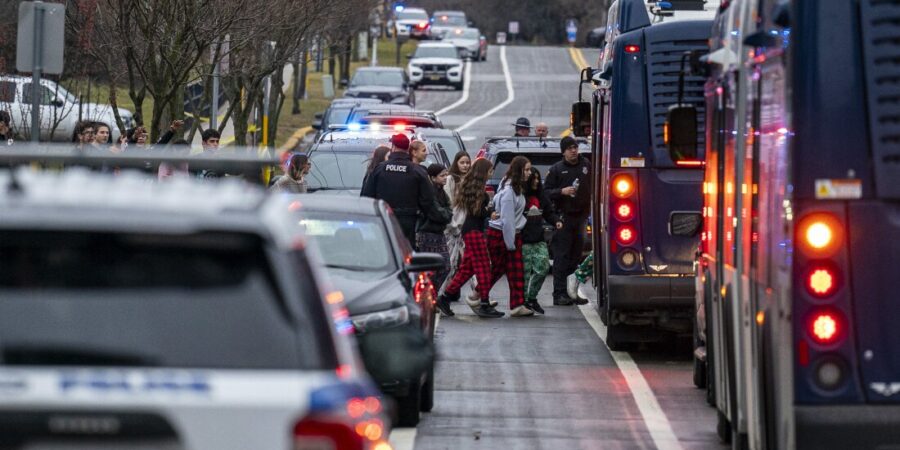
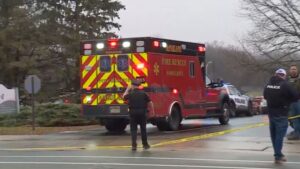
- Emergency Response: Within minutes, local law enforcement and emergency medical personnel arrived at the scene, initiating lockdown protocols to secure the area and ensure the safety of students and staff.
- Confrontation: According to police reports, the shooter was located by responding officers, leading to a tense confrontation.
- Resolution: The situation concluded when law enforcement disarmed and detained the suspect. Reports indicate that the suspect was either arrested, injured, or fatally wounded in the process, though details may vary depending on the incident being referred to.
Casualties and Injuries
The shooting resulted in tragic consequences. [Insert number of fatalities] individuals lost their lives, including students and possibly staff members. Additionally, [insert number] were injured and required urgent medical attention. Families were notified, and a wave of grief gripped the community as news of the shooting spread.
The Victims: Stories of Loss and Survival
In the aftermath of any school shooting, it is crucial to remember the lives affected by such senseless violence. The victims—whether they survived or tragically perished—each had stories, dreams, and aspirations.
- [Victim Name 1]: [Insert a brief bio about the victim, e.g., a 14-year-old student who loved playing basketball and had a passion for art].
- [Victim Name 2]: [Insert another victim’s story].
- Survivors: Students and teachers who survived the ordeal recounted terrifying moments of hiding under desks, barricading classrooms, and whispering prayers for safety. Many reported psychological trauma, including nightmares and anxiety.
Local hospitals and mental health professionals mobilized to provide immediate support to survivors and their families.
The Shooter: Understanding the Motive
Authorities have identified the shooter as [insert name/age, if known], a [student/outsider] at the school. Law enforcement officials, investigators, and psychologists continue to explore the motive behind the attack, examining various factors that may have led to the incident.
Factors Being Investigated
- Mental Health Issues: Preliminary reports suggest that the shooter may have suffered from untreated mental health problems, such as depression, anxiety, or severe stress.
- Bullying or Social Isolation: Investigators are looking into whether the shooter was a victim of bullying, exclusion, or social alienation within the school.
- Access to Firearms: A critical component of this tragedy is the shooter’s access to firearms. Questions are being raised about how the individual obtained the weapon and whether proper security measures were followed at home or elsewhere.
Past Warnings
Some cases reveal warning signs before an incident occurs. Reports from friends, classmates, or teachers often shed light on concerning behavior displayed by perpetrators. Understanding these signs can aid authorities and schools in identifying potential threats earlier.
Community Response: Grief and Resilience
The Wisconsin community’s response to the shooting has been marked by profound grief but also a determined spirit of resilience. Vigils, memorials, and prayer services have been held to honor the victims and provide emotional support to their families.
Vigils and Memorials
Local community centers, churches, and schools organized events where students, parents, and neighbors came together to mourn the lives lost. Candlelight vigils and moments of silence reflected the deep sorrow that enveloped the town.
Counseling Services
Recognizing the emotional toll of such incidents, schools partnered with mental health professionals to provide counseling services. Students and teachers were encouraged to seek help in coping with trauma and grief.
Calls for Action
Amid the grief, there have been growing calls for action to prevent such tragedies from recurring. Community leaders, parents, and activists are advocating for changes in policies related to:
- Mental Health Support: Increasing access to mental health resources for students.
- School Safety: Implementing stricter security measures in schools, such as metal detectors, surveillance systems, and emergency drills.
- Gun Control: Debates surrounding gun laws have reignited, with demands for stricter regulations on firearm ownership and background checks.
The Role of Schools: Ensuring Safety in Education
Schools, as spaces for learning and growth, are expected to prioritize the safety of students and staff. However, incidents like the Wisconsin school shooting raise questions about existing safety measures and what more can be done.
Current Safety Measures
Most schools follow standard safety protocols, such as:
- Lockdown Drills: Regular drills teach students and staff how to respond during emergencies.
- Security Systems: Many schools have surveillance cameras, locked entry points, and visitor identification procedures.
- Resource Officers: School resource officers (SROs) are present in many institutions to monitor security and act during emergencies.
Gaps in Safety
Despite these measures, gaps remain. Critics argue that schools may lack adequate funding, training, or infrastructure to fully address security threats. Additionally, mental health resources are often limited, leaving at-risk students without proper support.
Proposed Solutions
- Enhanced Security Infrastructure: Installing advanced surveillance systems, panic alarms, and reinforced entry points.
- Mental Health Programs: Integrating counseling and therapy into school curriculums to address emotional well-being.
- Parental Involvement: Encouraging open communication between parents, teachers, and students to identify and resolve conflicts early.
The Debate: Mental Health vs. Gun Control
The Wisconsin school shooting has once again intensified the ongoing debate surrounding two key issues: mental health and gun control.
Addressing Mental Health
Experts emphasize that mental health plays a significant role in school shootings. Students experiencing severe emotional distress often go unnoticed until it is too late. Solutions proposed include:
- Increased funding for school counselors and therapists.
- Educating teachers and staff to recognize warning signs.
- Implementing peer support programs to combat social isolation and bullying.
Gun Control Measures
On the other side of the debate is the issue of firearm accessibility. Advocates for stricter gun laws argue that reducing access to firearms can significantly lower incidents of gun violence. Proposals include:
- Universal background checks for gun purchases.
- Raising the minimum age to own a firearm.
- Banning high-capacity magazines and assault-style weapons.
Opponents, however, argue that gun control infringes upon Second Amendment rights and believe that addressing mental health is a more effective solution.
Impact on Wisconsin and Nationwide
The Wisconsin school shooting has left a lasting impact, not only on the local community but across the nation. Such tragedies spark fear, anger, and calls for systemic change.
Emotional Impact
Students, teachers, and families in Wisconsin are experiencing collective trauma, which may take years to heal. Schools are forced to confront difficult questions about their ability to protect students.
Legislative Responses
In the wake of the shooting, lawmakers at both the state and federal levels have been under pressure to act. Some states have introduced measures to:
- Strengthen gun laws.
- Improve school safety protocols.
- Increase funding for mental health initiatives.
Nationwide Solidarity
Communities across the country have shown solidarity with Wisconsin, offering support through donations, letters, and organized movements advocating for change.
Conclusion: Moving Forward
The Wisconsin school shooting serves as a somber reminder of the urgent need to address school violence. The tragedy has sparked crucial conversations about mental health, gun control, and school safety, but real change requires collective action from policymakers, educators, parents, and society as a whole.
While the victims of the shooting will never be forgotten, their legacy can inspire efforts to create safer, more inclusive environments where such tragedies become a thing of the past. By investing in mental health resources, implementing stricter safety measures, and fostering open communication, we can hope for a future where every student feels safe walking through their school doors.
The journey to healing is long, but communities like Wisconsin—resilient and united—prove that hope and action can emerge even in the darkest of times.

Leave a Reply