

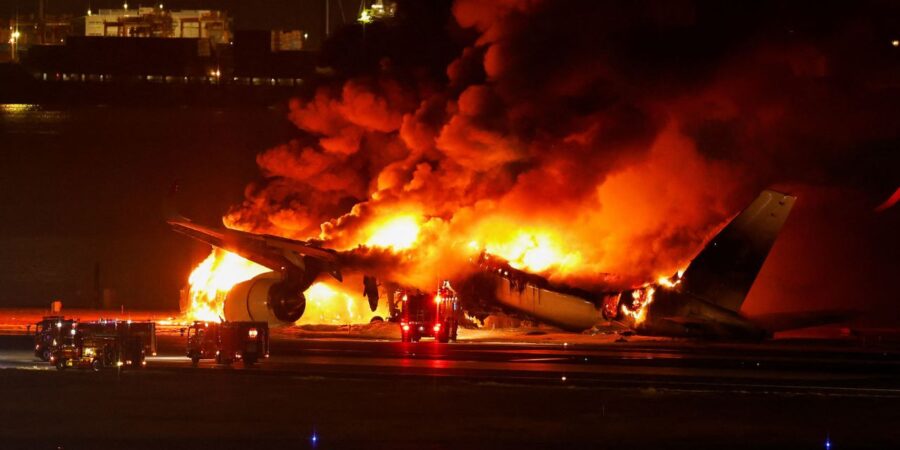
Plane crashes into Potomac River near Washington, DC Airport
Introduction
Plane crashes are among the most terrifying disasters known to humanity. While air travel remains the safest mode of transportation, accidents, when they do occur, often result in significant loss of life and property. This article delves into the causes of plane crashes, the impact on victims and families, and some miraculous survival stories that have captured the world’s attention.
Causes of Plane Crashes
Plane crashes can be attributed to multiple factors, often a combination of human error, mechanical failure, and environmental conditions. Let’s explore the most common reasons behind aviation disasters:
*Pilot Error
One of the leading causes of plane crashes is human error. Pilots are highly trained professionals, but mistakes in judgment, misinterpretation of flight instruments, or failure to follow protocols can lead to catastrophic outcomes. Fatigue, stress, and miscommunication with air traffic control can exacerbate these risks.
*Mechanical Failure
Despite rigorous maintenance schedules, aircraft can experience mechanical failures. Engine malfunctions, electrical issues, or structural defects may lead to fatal accidents. A minor defect, if unnoticed, can result in a major disaster.
*Weather Conditions
Extreme weather, including thunderstorms, strong winds, heavy snowfall, and lightning, poses a significant risk to aircraft. Poor visibility and turbulence can make it challenging for pilots to maintain control, sometimes leading to accidents.
*Bird Strikes
Bird strikes may seem trivial, but they can severely damage an aircraft. In some cases, birds are sucked into jet engines, causing power loss or even engine failure, as seen in the famous “Miracle on the Hudson.”
*Sabotage and Terrorism
Though rare, acts of terrorism, hijackings, and sabotage have led to some of the most infamous aviation disasters. Incidents like the 9/11 attacks have demonstrated how aviation security breaches can have devastating consequences.
*Air Traffic Control Miscommunication
Errors in communication between pilots and air traffic controllers can result in fatal mistakes. Misinterpretation of altitude, runway assignments, or flight paths can lead to mid-air collisions or crashes during takeoff and landing.
*Fuel Issues
Aircraft require precise fuel calculations to complete their journeys safely. Insufficient fuel due to miscalculation, leaks, or unexpected delays can result in emergency landings or crashes.
Consequences of Plane Crashes
Aviation accidents have far-reaching consequences, affecting passengers, crew members, families, and even economies. Here are some of the major repercussions:
*Loss of Lives
The most tragic outcome of a plane crash is the loss of human lives. Passengers, pilots, flight attendants, and even people on the ground can be victims of such disasters.
*Psychological Trauma
Survivors and the families of victims often suffer from severe psychological trauma. Post-traumatic stress disorder (PTSD), anxiety, and depression are common among those affected by aviation accidents.
*Economic Impact
Airline companies suffer immense financial losses due to crashes. Lawsuits, compensations, and damage control measures can cost millions, sometimes leading to bankruptcy.
*Regulatory Changes
Every major aviation disaster leads to investigations and policy changes. Authorities like the Federal Aviation Administration (FAA) and the International Civil Aviation Organization (ICAO) introduce new safety measures to prevent future accidents.
*Environmental Damage
Aviation accidents can lead to oil spills, fires, and the release of toxic substances, which harm the environment. The cleanup process is often lengthy and expensive.
Notable Plane Crashes in History
Over the years, several plane crashes have shocked the world. Some of the most notable incidents include:
*Malaysia Airlines Flight MH370 (2014)
One of the biggest mysteries in aviation history, MH370 disappeared with 239 people on board while flying from Kuala Lumpur to Beijing. Despite extensive search efforts, the aircraft’s main wreckage has never been found.
*Air France Flight 447 (2009)
This flight, traveling from Rio de Janeiro to Paris, crashed into the Atlantic Ocean due to pilot error and technical malfunctions. All 228 passengers and crew members perished.
*American Airlines Flight 191 (1979)
A tragic mechanical failure caused the left engine of the aircraft to detach during takeoff from Chicago O’Hare International Airport, leading to a crash that killed all 271 on board.
*United Airlines Flight 232 (1989)
This flight suffered a catastrophic engine failure, but the pilots managed a partially controlled crash landing in Sioux City, Iowa. While 112 people died, 184 survived due to the crew’s heroic efforts.
*Miracle on the Hudson (2009)
US Airways Flight 1549, piloted by Captain Chesley “Sully” Sullenberger, struck a flock of birds, causing both engines to fail. The pilot executed an emergency landing on the Hudson River, saving all 155 passengers and crew members.
Survival Stories
Despite the grim nature of plane crashes, there have been miraculous survival stories that defy the odds. Here are some astonishing cases:
*Juliane Koepcke (1971)
At just 17 years old, Juliane survived the crash of LANSA Flight 508 when it was struck by lightning over the Peruvian jungle. She fell from 10,000 feet still strapped to her seat and managed to survive alone in the rainforest for 11 days before being rescued.
*Vesna Vulović (1972)
A Serbian flight attendant, Vesna, survived a fall from 33,000 feet when JAT Flight 367 exploded mid-air. She suffered multiple injuries but miraculously lived, holding the record for the highest fall without a parachute.
*Bahia Bakari (2009)
Twelve-year-old Bahia was the sole survivor of Yemenia Flight 626, which crashed into the Indian Ocean. She clung to floating debris for over nine hours before being rescued.
*Cecelia Cichan (1987)
At just four years old, Cecelia was the only survivor of Northwest Airlines Flight 255, which crashed shortly after takeoff. She was found alive amidst the wreckage, shielded by her mother’s embrace.
How to Survive a Plane Crash
While plane crashes are rare, survival can depend on being prepared and aware. Here are some essential tips:
- Choose Your Seat Wisely*: Studies suggest that seats near the exit rows and at the back of the plane have higher survival rates.*
- Wear Your Seatbelt*: Keeping your seatbelt fastened at all times prevents serious injuries in case of turbulence or impact.*
- Follow Safety Instructions*: Pay attention to pre-flight safety briefings and locate emergency exits.*
- Brace for Impact*: Adopt the brace position (head down, arms wrapped around legs) to minimize injuries.*
- Stay Calm and Act Quickly*: In case of an emergency, follow crew instructions and evacuate the aircraft as quickly as possible.*
Conclusion
Plane crashes, though rare, leave a lasting impact on the world. Understanding their causes, consequences, and survival strategies can help increase awareness and preparedness. While tragedies dominate the headlines, survival stories remind us of the resilience of the human spirit. Aviation safety continues to evolve, ensuring that a

Leave a Reply