

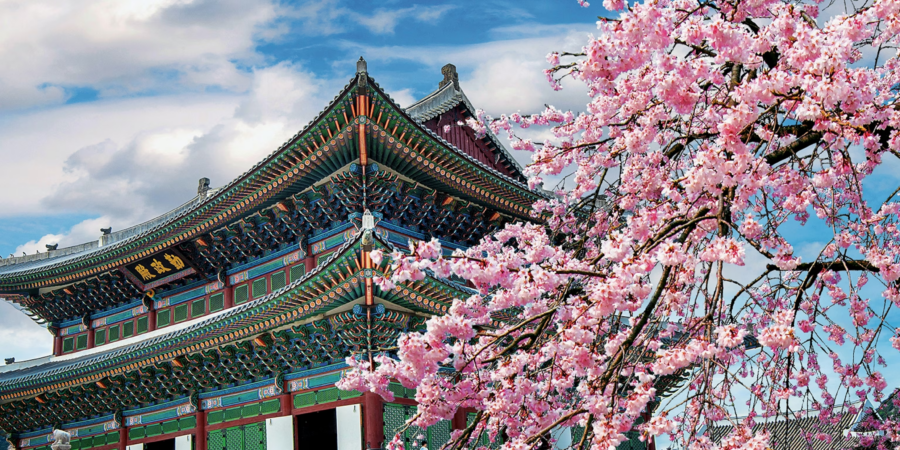
Cherry Blossoms: Nature’s Ephemeral Beauty
Cherry blossoms, known for their delicate pink and white petals, are among the most breathtaking natural spectacles. These fleeting flowers symbolize the transient nature of life, beauty, and renewal. Originating mainly from Japan, cherry blossoms have become a global phenomenon, celebrated in many countries through festivals and traditions.
Origins and Significance
The cherry blossom, or sakura in Japanese, has deep cultural and historical significance. It has been a part of Japanese culture for centuries, representing mono no aware, a concept that emphasizes the impermanence of beauty and life. The blooming of cherry blossoms marks the arrival of spring and is seen as a time of new beginnings.
In Japan, the tradition of hanami (flower viewing) dates back to the Heian period (794-1185). People gather under cherry trees to appreciate their beauty, have picnics, and celebrate with food, music, and drinks. The fleeting nature of cherry blossoms also reminds people to cherish every moment, as the flowers bloom for only a short period before falling.
Cherry Blossoms Around the World
Though cherry blossoms are most commonly associated with Japan, they are also found in several other countries:
1. United States
The cherry blossom trees in Washington, D.C., are a famous attraction, gifted by Japan in 1912 as a symbol of friendship between the two nations. The National Cherry Blossom Festival is held annually to commemorate this gift and attracts millions of visitors.
2. South Korea
In South Korea, cherry blossoms bloom slightly later than in Japan, usually in April. The Jinhae Cherry Blossom Festival is one of the most popular events, featuring stunning floral landscapes, street performances, and cultural activities.
3. China
China also has its own variety of cherry blossoms, particularly in cities like Wuhan and Beijing. Cherry blossom festivals are held in several parks, where people gather to take photographs and enjoy nature.
4. Europe
Many European cities, including Paris, London, and Bonn in Germany, are home to beautiful cherry blossom trees. In Bonn, the Cherry Blossom Avenue is a famous spot where streets are covered in pink blossoms.
Varieties of Cherry Blossoms
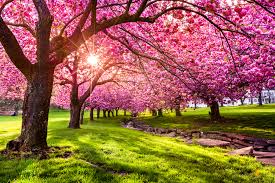
There are over 200 different varieties of cherry blossoms, with some of the most popular being:
- Somei Yoshino: The most common variety, featuring pale pink to white flowers.
- Yaezakura: A double-petaled variety with vibrant pink flowers.
- Shidarezakura: A weeping cherry tree with cascading branches of blossoms.
The Science Behind Cherry Blossoms
Cherry trees require specific climatic conditions to bloom. They need a period of cold dormancy followed by rising temperatures to trigger flowering. The bloom period is affected by weather, climate change, and environmental factors. Warmer temperatures can cause early blooming, while unexpected cold snaps may damage the buds.
Symbolism of Cherry Blossoms
Cherry blossoms symbolize:
- Life’s Transience: The brief blooming period reminds people of the fleeting nature of life.
- Renewal and Hope: The arrival of blossoms signals the start of spring and new beginnings.
- Friendship and Peace: They have been used as symbols of goodwill in international diplomacy, as seen in Japan’s gift of trees to various countries.
Conclusion
Cherry blossoms continue to captivate hearts worldwide with their delicate beauty and deep symbolism. Whether in Japan, Washington, or Europe, these flowers remind us to embrace the moment and appreciate the beauty around us. The tradition of celebrating cherry blossoms brings people together, fostering joy and appreciation for nature’s wonders.

Leave a Reply