

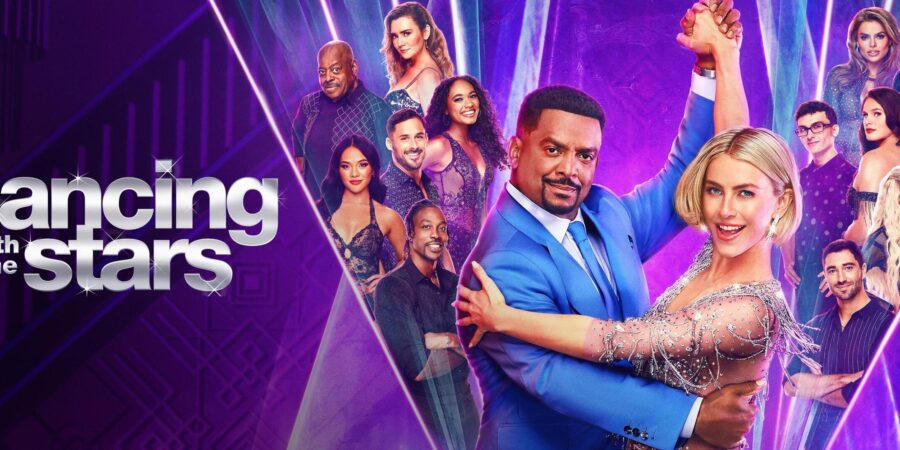
Dancing with the Stars: A Dazzling Journey of Grace, Glamour, and Passion
Reality TV has gifted us countless memorable shows, but Dancing with the Stars (DWTS) stands out as a brilliant combination of entertainment, glamour, and emotion. This isn’t just a dance competition; it’s a stage where celebrities step out of their comfort zones to showcase hidden talents alongside professional partners. The show isn’t just about the moves—it’s about dedication, passion, and resilience, making it a fan favorite worldwide.
- Origins of Dancing with the Stars
- The Magic of Celebrities and Professionals
- Dance Styles: A Journey Through Time
- Judges and Scoring System
- Emotional Connect with the Audience
- Memorable Performances and Iconic Moments
- Behind-the-Scenes Challenges
- Cultural Impact and Legacy
- Criticisms and Controversies
- Why We Love Dancing with the Stars
- Conclusion
Origins of Dancing with the Stars
DWTS traces its roots to the British TV show Strictly Come Dancing, which debuted on BBC in 2004. After its massive success, the American version premiered on June 1, 2005, and has grown increasingly popular with every passing season.
The format of the show is engaging yet straightforward: celebrities are paired with professional dancers and must perform a new dance style each week. Their performances are scored by a panel of judges and voted on by viewers. Couples with the lowest combined score face elimination, and by the finale, one couple emerges as the season’s champion, earning the coveted mirrorball trophy.
The Magic of Celebrities and Professionals
The star-studded lineup of DWTS is its biggest draw. Each season brings together celebrities from diverse fields, including athletes, actors, musicians, TV personalities, and even politicians, who embark on this challenging yet exhilarating journey.
Every celebrity is paired with a professional dancer who acts as their mentor, coach, and partner. These professionals are not only exceptional dancers but also creative choreographers who design routines tailored to their celebrity partner’s strengths and weaknesses.
Notable pros like Derek Hough and Cheryl Burke have become synonymous with DWTS due to their stellar performances and ability to bring out the best in their partners. Their guidance has created some of the most iconic moments in the show’s history.
Dance Styles: A Journey Through Time
The versatility of dance routines is one of DWTS’s standout features. Each week, contestants perform different styles, ranging from traditional ballroom to contemporary and freestyle.
Popular Dance Styles on DWTS
- Cha-Cha-Cha – Energetic, fast-paced, and full of flirtatious flair.
- Waltz – A slow and graceful dance that exudes elegance and romance.
- Tango – Intense and passionate, with sharp, dramatic movements.
- Jive – A lively and high-energy dance that’s both fun and entertaining.
- Contemporary – Focused on emotional storytelling through fluid and expressive movements.
- Freestyle – A no-holds-barred dance style where contestants unleash their creativity, often seen in season finales.
Each performance challenges contestants to step out of their comfort zones, embrace new dance forms, and inspire audiences with their growth.
Judges and Scoring System
Judges play a critical role in DWTS, evaluating performances based on technique, artistry, and overall impact. The scoring system uses a scale from 1 to 10, with each judge awarding points individually.
The original judging panel included Bruno Tonioli, Carrie Ann Inaba, and Len Goodman, whose honest critiques and charismatic personalities became fan favorites. Each judge brought a unique perspective—Len focused on technical precision, Bruno celebrated energy and drama, while Carrie Ann emphasized emotions and creativity, often noting intricate details like lifts.
In addition to judges, viewer votes significantly impact the outcome, combining with the judges’ scores to determine which couples are safe and which face elimination.
Emotional Connect with the Audience
DWTS isn’t just about dance; it’s about human stories. Each celebrity brings a unique backstory, often marked by personal challenges and triumphs. These journeys create a deep emotional bond with the audience.
For example, Paralympian Amy Purdy delivered awe-inspiring performances despite using prosthetic legs, earning widespread admiration. Moments like these highlight the show’s ability to celebrate perseverance and courage, making it far more than just a competition.
Memorable Performances and Iconic Moments
Over the years, DWTS has given us countless unforgettable performances and moments:
- Shawn Johnson and Mark Ballas (Season 8) – Their freestyle routine, brimming with energy and creativity, left audiences spellbound.
- Jennifer Grey (Season 11) – Her heartfelt tribute to her late Dirty Dancing co-star Patrick Swayze brought tears to everyone’s eyes.
- J.R. Martinez (Season 13) – A war veteran, his inspiring journey of resilience and strength touched millions.
These moments have solidified DWTS as a cultural phenomenon, blending entertainment with emotional storytelling.
Behind-the-Scenes Challenges
While the glitz and glamour of DWTS captivate viewers, the hard work and dedication behind each performance are equally remarkable. Contestants face physically demanding routines, injuries, and emotional stress as they prepare for weekly performances.
Many celebrities juggle hectic schedules with intense rehearsals, showcasing their unwavering commitment to the competition. Similarly, professional dancers motivate and push their partners to deliver their best, ensuring every routine dazzles on stage.
Cultural Impact and Legacy
DWTS has made a profound impact on entertainment and culture, elevating dance as a celebrated art form. The show has promoted diversity, showcased inspiring human stories, and encouraged audiences to appreciate the power of perseverance and creativity.
Its influence extends beyond the stage, inspiring people worldwide to explore dance and embrace its transformative potential.
Criticisms and Controversies
Despite its success, DWTS has faced its share of criticisms and controversies:
- Favoritism Allegations: Some viewers have accused the judges of biased scoring.
- Casting Choices: Critics argue that celebrities with prior dance experience have an unfair advantage.
- Injury Concerns: The physically demanding routines have led to injuries, raising questions about contestant safety.
While these issues have sparked debate, they’ve done little to dim the show’s overall appeal.
Why We Love Dancing with the Stars
DWTS continues to win hearts for several reasons:
- Excitement and Drama: Every season is a rollercoaster ride, keeping viewers on the edge of their seats.
- Relatability: The contestants’ vulnerabilities and growth resonate deeply with audiences.
- Unmatched Entertainment: From stunning costumes to grand set designs and electrifying performances, DWTS delivers it all.
Conclusion
Dancing with the Stars is more than a TV show—it’s a celebration of dance, storytelling, and the human spirit. Each season brings new challenges, inspiring moments, and unforgettable performances, ensuring its enduring popularity.
With its unique blend of grace, glamour, and passion, DWTS has left an indelible mark on both television and the hearts of its viewers, proving that the power of dance goes far beyond the stage.
Let me know if you’d like further adjustments! 😊

Leave a Reply