

Hollywood Hills Fire: A Comprehensive Overview
Introduction
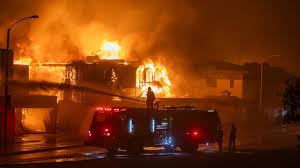
The Hollywood Hills, known for their luxurious residences and iconic Hollywood Sign, have faced numerous natural disasters over the years, with wildfires being among the most destructive. The geography and vegetation of this region, combined with changing climate conditions, create a dangerous environment where fires can quickly escalate into major disasters. The Hollywood Hills fire, a recurring tragedy, has left a lasting impact on the community, economy, and environment.
The Hollywood Hills: A Fire-Prone Region
Geography and Vegetation
The Hollywood Hills, located in Los Angeles, California, are part of the eastern end of the Santa Monica Mountains. The area is characterized by steep slopes, narrow canyons, and dry vegetation, all of which contribute to its high fire risk. The region’s Mediterranean climate, with hot, dry summers and mild, wet winters, further exacerbates the threat of wildfires.
Common vegetation in the Hollywood Hills includes chaparral, sagebrush, and various types of grasses. These plants are highly flammable due to their oil content and ability to dry out during the summer months. The combination of terrain, vegetation, and seasonal weather patterns creates the perfect conditions for wildfires to ignite and spread rapidly.
Causes of Hollywood Hills Fires
Natural Causes
- Lightning Strikes*: Although rare in Southern California, lightning strikes during dry thunderstorms can ignite fires.*
- Santa Ana Winds*: These hot, dry winds from the inland desert regions can fan small fires into massive infernos.*
Human-Related Causes
- Negligence*: Many fires are accidentally started by human activities, including discarded cigarettes, outdoor cooking, and fireworks.*
- Electrical Equipment Failures*: Power lines and transformers have been known to spark fires, especially during windy conditions.*
- Arson*: Deliberate acts of setting fires have been responsible for significant damage in the region.*
Notable Hollywood Hills Fires
The 1961 Bel Air Fire
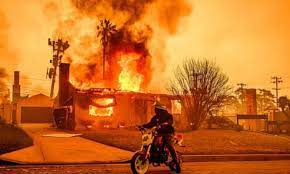
One of the most infamous fires in the Hollywood Hills region occurred on November 6, 1961. This catastrophic event destroyed nearly 500 homes, including those of many celebrities. The fire began when high winds caused a power line to spark in a canyon, igniting dry brush. Within hours, the flames spread uncontrollably due to the strong Santa Ana winds.
The Bel Air Fire caused an estimated $30 million in damages (equivalent to over $250 million today). It prompted significant changes in fire safety regulations, including stricter building codes and bans on flammable roofing materials.
The 2017 Skirball Fire
In December 2017, the Skirball Fire burned over 400 acres of land near the Sepulveda Pass in the Hollywood Hills. The fire destroyed multiple homes and caused widespread evacuations. Investigations revealed that an illegal cooking fire at a homeless encampment sparked the blaze.
The Skirball Fire highlighted the growing issue of homelessness in wildfire-prone areas and the need for better fire prevention measures and public awareness.
Impact of Fires on the Hollywood Hills
Environmental Impact
- Loss of Vegetation and Wildlife*: Fires devastate local ecosystems, destroying native plants and displacing or killing wildlife.*
- Soil Erosion*: The loss of vegetation increases the risk of soil erosion and landslides, particularly during the rainy season.*
- Air Quality*: Smoke and ash from wildfires significantly deteriorate air quality, posing health risks to residents.*
Economic Impact
- Property Damage*: Fires result in the loss of homes, businesses, and infrastructure.*
- Insurance Costs*: The frequency and severity of wildfires have led to rising insurance premiums for homeowners in the region.*
- Tourism*: The Hollywood Hills, a popular tourist destination, experiences a decline in visitors during and after major fires.*
Social Impact
- Displacement of Residents*: Many residents are forced to evacuate their homes, sometimes permanently.*
- Psychological Effects*: The trauma of losing homes and belongings, combined with the fear of future fires, affects mental health.*
- Community Response*: Fires often bring communities together, with neighbors helping each other rebuild and recover.*
Fire Prevention and Mitigation Efforts
Fire Safety Regulations
In response to past fires, Los Angeles authorities have implemented various regulations to reduce fire risk:
- Defensible Space Requirements*: Homeowners must clear brush and flammable materials within a certain distance of their homes.*
- Fire-Resistant Building Materials*: New constructions must use materials that are less likely to ignite.*
- Restrictions on Outdoor Burning*: Strict rules govern outdoor cooking, smoking, and the use of fireworks.*
Community Programs
- Firewise Communities*: This program encourages residents to take proactive steps to protect their properties from wildfires.*
- Public Education Campaigns*: Local agencies regularly conduct fire safety awareness campaigns.*
Technological Innovations
- Advanced Fire Detection Systems*: Cameras and sensors are used to detect fires early.*
- Controlled Burns*: Firefighters conduct controlled burns to reduce the amount of flammable vegetation.*
Climate Change and the Future of Wildfires
Increasing Risk
Climate change is intensifying the conditions that lead to wildfires. Rising temperatures, prolonged droughts, and unpredictable weather patterns contribute to the increased frequency and severity of fires.
Adaptation Strategies
- Enhanced Firefighting Resources*: Investing in more firefighting personnel, equipment, and technology.*
- Infrastructure Improvements*: Hardening power lines and other infrastructure to prevent fire ignitions.*
- Policy Changes*: Implementing stricter land-use policies and promoting sustainable development.*
Conclusion
The Hollywood Hills fire threat remains a significant challenge for residents, authorities, and environmentalists. While progress has been made in fire prevention and safety, the increasing impact of climate change demands continuous adaptation and innovation. By understanding the causes, effects, and solutions related to wildfires, the community can work together to protect lives, propert

Leave a Reply