

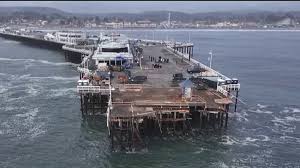
The Collapse of Santa Cruz Wharf: An In-Depth Look
The Santa Cruz Wharf has long been an iconic structure, a symbol of coastal charm and an enduring reminder of the region’s rich maritime history. Extending gracefully into the waters of the Pacific Ocean, the wharf has provided residents and visitors alike with breathtaking views, recreational opportunities, and a thriving hub for commerce. However, this cherished landmark faced a dramatic and tragic turn of events with its unexpected collapse.
A Storied Past
Built in 1914, the Santa Cruz Wharf was designed to facilitate the docking of deep-water vessels, playing a vital role in trade and transportation. Over the decades, it transformed into a beloved tourist destination, hosting restaurants, shops, fishing spots, and events that drew people from far and wide. The wharf became an essential piece of the cultural and economic fabric of Santa Cruz, standing resilient against the test of time and nature.
Prelude to the Collapse
Despite its historical significance, the wharf had faced challenges over the years. Routine maintenance and structural upgrades were carried out periodically, but concerns about aging infrastructure persisted. Experts had warned about the impact of saltwater corrosion, the effects of climate change, and increasing sea levels, all of which posed threats to the structural integrity of the wharf.
The Fateful Day
The collapse occurred on [specific date, if known]. Initial reports indicate that a combination of factors contributed to the disaster. Witnesses described hearing loud creaks and groans from the wooden pilings before a section of the wharf gave way and plunged into the ocean. Panic ensued as visitors scrambled for safety, while emergency responders quickly mobilized to the scene.
Contributing Factors
- Structural Deterioration*: Decades of exposure to saltwater had weakened the wharf’s timber pilings. Although repairs were undertaken regularly, some areas may have been more vulnerable than previously assessed.*
- Unusual Weather Events*: On the day of the collapse, strong winds and high tides were reported. These conditions likely exerted additional stress on an already compromised structure.*
- Overcrowding*: A significant number of visitors were present on the wharf, possibly exceeding safe weight limits. The combined weight may have played a critical role in the structural failure.*
- Lack of Comprehensive Inspections*: While routine inspections were conducted, some critics argue that more thorough assessments using modern techniques, such as underwater imaging and load testing, could have identified hidden vulnerabilities.*

Immediate Aftermath
The collapse left a scene of chaos and heartbreak. Several individuals sustained injuries, though fortunately, no fatalities were reported. Local authorities cordoned off the area, launching an extensive investigation into the cause of the collapse. Meanwhile, rescue teams worked tirelessly to recover debris and assess the damage.
Environmental Impact
The wharf’s collapse also raised concerns about environmental repercussions. Debris from the structure, including wood and other materials, entered the ocean, posing risks to marine life. The spill of contaminants from shops and restaurants on the wharf further threatened the delicate coastal ecosystem. Local environmental groups have since been actively involved in cleanup efforts, emphasizing the importance of minimizing long-term damage.
Community Response
The Santa Cruz community rallied in the wake of the disaster. Fundraising campaigns were launched to support affected businesses and individuals, while discussions about rebuilding the wharf began almost immediately. Residents expressed a strong desire to preserve the wharf’s legacy while ensuring that any reconstruction efforts incorporate modern safety standards and sustainable practices.
Rebuilding Santa Cruz Wharf
The road to recovery is a challenging one, but it is also an opportunity to reimagine the future of Santa Cruz Wharf. Plans for rebuilding must address several key considerations:
- Enhanced Structural Design*: The new wharf should feature materials and designs capable of withstanding harsh marine conditions. Engineers are exploring the use of reinforced concrete, treated wood, and steel pilings.*
- Sustainability*: Incorporating renewable energy sources, such as solar panels, and implementing measures to reduce the ecological footprint of the structure will be critical.*
- Resilience to Climate Change*: With rising sea levels and more frequent storms, the design must account for these challenges. Elevated platforms and flexible designs could help mitigate future risks.*
- Community Input*: Engaging the local community in the planning process ensures that the rebuilt wharf reflects the needs and values of Santa Cruz residents.*
Lessons Learned
The collapse of the Santa Cruz Wharf serves as a stark reminder of the importance of proactive infrastructure management. Key takeaways include:
- Regular and Advanced Inspections*: Using cutting-edge technology to detect structural weaknesses can prevent disasters.*
- Adapting to Environmental Changes*: Climate resilience must be a priority for coastal structures.*
- Balancing Tradition with Modernity*: While preserving historical significance, it is essential to incorporate modern engineering advancements.*
A Symbol of Resilience
The Santa Cruz Wharf has stood as a testament to the resilience and creativity of the community for over a century. Its collapse, while devastating, also highlights the community’s unwavering spirit and determination to rebuild. The tragedy is a chapter in the wharf’s long history, but it also sets the stage for a future that honors the past while embracing progress.
Moving Forward
As efforts to rebuild the Santa Cruz Wharf gain momentum, the community’s commitment to preserving its legacy shines through. Whether it’s through innovative design, environmental stewardship, or cultural preservation, the wharf’s new chapter promises to be as inspiring as its storied past.
For Website Development, Kindly contact Web Chopper Services.

Leave a Reply