

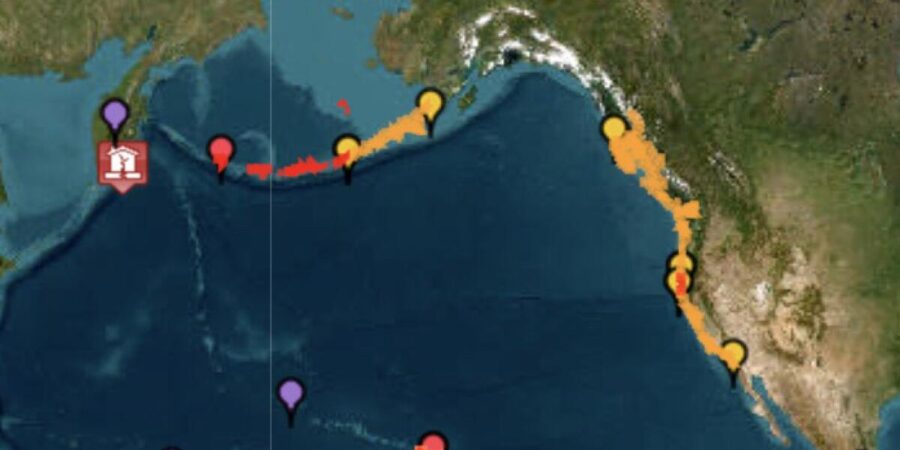
🌊 Tsunami Warning California: What You Need to Know
California, with its stunning coastline and vibrant communities, is no stranger to natural threats. One such danger that occasionally looms is the Tsunami Warning. Recently, discussions around tsunami risks have resurfaced due to seismic activity along the Pacific Ring of Fire. Here’s everything you need to know about tsunami warnings in California, how they work, and what steps you should take if one is issued.
🚨 What is a Tsunami Warning?
A **Tsunami Warning** is an alert issued by government agencies such as the **National Weather Service (NWS)** or the **National Tsunami Warning Center (NTWC)**. It indicates that a tsunami is **expected or already occurring**, usually caused by:
Underwater earthquakes
Volcanic eruptions
Submarine landslides
When such an event happens near the **Pacific Ocean**, it can generate massive waves that travel across the ocean at jet speeds—reaching the **California coast within hours**.
—
🔴 Recent Tsunami Warnings in California
California has seen several tsunami alerts in the past two decades. Most notably:
January 15, 2022: After an undersea volcano eruption near Tonga, a tsunami advisory was issued along California’s coast.
March 11, 2011: Following the massive Japan earthquake, tsunami waves reached California, causing damage to harbors and docks.
2006-2023: Multiple minor warnings and advisories, primarily precautionary but still significant.
> ⚠️ Highlighted Listing: Always refer to [www.tsunami.gov](https://www.tsunami.gov) for real-time tsunami alerts and warnings in California.
—
🌐 How Are Warnings Issued?
The NTWC and USGS work together to monitor seismic activity. If an earthquake occurs with tsunami potential, they:
1. Analyze seismic data
2. Predict wave height and arrival time
3. Issue alerts via:
Emergency broadcast systems
NOAA weather radios
Mobile push alerts
Local emergency response teams
> 🔔 Highlighted Listing**: Sign up for **AlertCalifornia** or local **MyShake App** notifications for tsunami and earthquake alerts on your phone.
—
🏃♂️ What to Do During a Tsunami Warning?
Preparedness is key. If you’re in a tsunami hazard zone, here’s what you should do immediately:
1. Move Inland or to Higher Ground
If you hear a tsunami warning or feel a strong earthquake near the coast:
Do not wait for official instructions.
Evacuate vertically (go to higher floors) if horizontal movement isn’t possible.
2. Stay Informed
Listen to local emergency channels or tune in to NOAA radio. Don’t rely on social media rumors.
3. Don’t Go to the Beach
It might be tempting to watch the waves, but tsunamis can come in **multiple surges** hours apart.
> 📍 Highlighted Listing: Check your local Tsunami Evacuation Map from your city or county emergency management office.
—
📦 Tsunami Preparedness Tips
Prepare a 72-hour emergency kit
Know your evacuation routes
Practice family emergency drills
Keep your car’s gas tank at least half full
Talk to neighbors and help the elderly or disabled plan ahead
> ✅Highlighted Listing: Download the California Tsunami Preparedness Guide at [caloes.ca.gov](https://www.caloes.ca.gov).
—
🌁 Cities Most at Risk in California
Some areas are more vulnerable due to their **low elevation and coastal geography:
San Francisco Bay Area
Santa Cruz and Monterey
Los Angeles and Long Beach Harbors
San Diego coastline
Eureka and Crescent City (Northern California)
—
📣 Final Thoughts
Though major tsunamis are rare, **the risk is real**. California’s coastlines are beautiful but require respect for nature’s power. Stay informed, stay prepared, and always take tsunami warnings seriously.
🔎 Quick Links for California Tsunami Alerts
—
Let me know if you want this formatted specifically for WordPress (with HTML tags or block editor styles).

Leave a Reply